Sunday, September 25, 2011

Bread Baker's Bible Traditional Bread Recipes From Around the World


Author(s): Jennie Shapter
Publisher: Anness Publishing Ltd
Date: 2001
Format: pdf
Language: Other
ISBN10: 1843094134
ISBN13: 9781843094135


DOWNLOAD (Uploading Link)


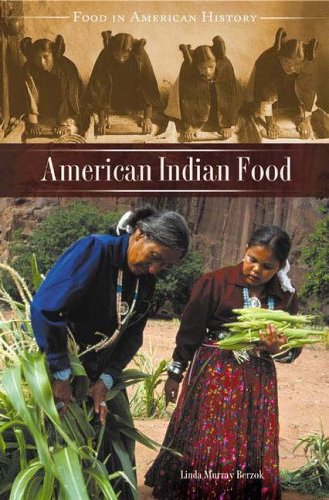
American Indian Food (Food in American History)


Author(s): Linda Murray Berzok
Publisher: Greenwood
Date: 2005-04-30
Format: PDF
Language: English
ISBN10: 0313329893
Pages: 248
ISBN13: 9780313329890

Product Description:

This, the first, in-depth survey of Native American Indian foodways is an amazing chronicle of both human development over thousands of years and American history after the European invasion. It sheds light not only on this group and their history but on American food culture and history as well. For thousands of years an intimate relationship existed between Native Americans and their food sources. Dependence on nature for subsistence gave rise to a rich spiritual tradition with rituals and feasts marking planting and harvesting seasons. The European invasion forced a radical transformation of the indigenous food habits. Foodways were one of the first layers of culture attacked. Indians were removed from their homelands, forced to cultivate European crops such as wheat and grapes, new animals were introduced, and the bison, a major staple in the Great Plains and West, was wiped out. Today, American Indians are trying to reclaim many of their food traditions. A number of their foodways have become part of the broader American cookbook, as many dishes eaten today were derived from Native American cooking, including cornbread, clam chowder, succotash, grits, and western barbeque.


The story of Native American foodways presented here is an amazing chronicle of both human development over thousands of years and American history after the European invasion. Through cultural evolution, the First Peoples worked out what was edible or could be made edible and what foods could be combined with others, developed unique processing and preparation methods, and learned how to preserve and store foods. An intimate relationship existed between them and their food sources. Dependence on nature for subsistence gave rise to a rich spiritual tradition with rituals and feasts marking planting and harvesting seasons. The foodways were characterized by abundance and variety. Wild plants, fish, meat, and cultivated crops were simply prepared and eaten fresh or smoked, dried, or preserved for lean winters. The European invasion forced a radical transformation of the indigenous food habits. Foodways were one of the first layers of culture attacked. Indians were removed from their homelands, forced to cultivate European crops, such as wheat and grapes, new animals were introduced, and the bison, a major staple in the Great Plains and West, was wiped out. Today, American Indians are trying to reclaim many of their food traditions. Other traditions have become part of the broader American cookbook, as many dishes eaten today were derived from Native American cooking, including cornbread, clam chowder, succotash, grits, and western barbeque.


The scope is comprehensive, covering the six major regions, from prehistory until today. Chapters on the foodways history, foodstuffs, food preparation, preservation, and storage, food customs, food and religion, and diet and nutrition reveal the American Indians' heritage as no history can do alone. Examples from many individual tribes are used, and quotations from American Indians and white observers provide perspective. Recipes are provided as well, making this a truly indispensable source for student research and general readers.


DOWNLOAD (Uploading Link)

Ancient Grains for Modern Meals: Mediterranean Whole Grain Recipes for Barley, Farro, Kamut, Polenta, Wheat Berries & More


Author(s): Maria Speck
Publisher: Ten Speed Press
Date: 2011-04-26
Format: PDF
Language: English
ISBN10: 1580083544
Pages: 240
ISBN13: 9781580083546

Product Description: Food writer Maria Speck’s passion for propelling Old World staples such as farro, barley, polenta, and wheat berries to the forefront of new American cooking is beautifully presented in Ancient Grains for Modern Meals. In this inspired and highly personal book, Maria Speck draws on food traditions from across the Mediterranean and northern Europe to reveal how versatile, satisfying, flavorful, and sophisticated whole grains can be.  

Rustic but elegant dishes--Creamy Farro with Honey-Roasted Grapes, Barley Salad with Figs and Tarragon-Lemon Dressing, Lamb Stew with Wheat Berries in Red Wine Sauce, and Purple Rice Pudding with Rose Water Dates--are sure to please discerning palates and become favorites in any whole grain repertoire.

Food lovers and health-conscious home chefs alike learn how to integrate whole grains into their busy lives, from quick-cooking quinoa and buckwheat to the slower varieties such as spelt and Kamut. The stunning flavors and lively textures of whole grains are enhanced with natural ingredients such as butter, cream, and prosciutto--in moderation--to create lush Mediterranean-inspired recipes. Maria’s approachable style and generous spirit make this collection of time-honored, updated classics a treasury for today’s cooks.


DOWNLOAD (Uploading Link)

Download Around the World in 80 Dinners


Author(s): Bill Jamison
Publisher: Harper Paperbacks
Date: 2009-03-01
Format: epub
Language: English
ISBN10: 0060878967
Pages: 272
Quality: excellent
ISBN13: 9780060878962

Product Description:

After years of writing award-winning cookbooks, Cheryl and Bill Jamison were ready to take a break. They packed their bags, locked up their house in Santa Fe, and set off on a three-month-long visit to ten countries—all on frequent-flier miles. 


DOWNLOAD (Uploading Link)


Tuesday, September 20, 2011

Food Culture in South America


Author(s): JosA Rafael Lovera
Publisher: Greenwood
Date: 2005 
Format: PDF 
Language: English 
ISBN10: 0313327521 
Pages: 208

This volume tells the story of the South Americans and their history through a survey of their food culture. Food in the various countries differs in some ways because of cultural heritage, cooking techniques, and geography, here divided into four zones. The traditions of the primary groupsa€”Indians, Europeans, and Africansa€”and their five centuries of mixing have still resulted in a stable food culture. The foods of the Indians before European contact still play an important role, along with other foods brought by successive immigrant groups. Europeans tried to establish their staples, wheat and wine, with little success. Many dishes, cooking methods, and food habits have survived with little modification since time immemorial.


Students and other readers will learn much about the South American foodways in daily life today, with special attention paid to historical perspective and any rural and urban differences. For example, in all the major cultural groups, food preparation and cooking have always been women's work, with the exception of the meat roast (asado) by llaneros and gauchos. The rise of the cooking profession is discussed as well. A fascinating look at the daily meal schedule includes insight in to how the European conquerors imposed their eating habits and encouraged overeating, with the abundance found in the New World. Modern life is shown to affect where people eat, as buying meals, often from street vendors, during the workday has become more of a necessity. The survey includes a discussion of special occasions, including agricultural celebrations and Catholic feasts with indigenous elements. The overview is completed by a chapter on diet and health, covering such topics as botanical knowledge and science and an assessment of the nutritional value of the South American staples. Classic recipes from many of the countries and illustrations complement the narrative.


Food Culture in the Mediterranean


Author(s): Carol Helstosky
Publisher: Greenwood
Date: 2009 
Format: PDF 
Language: English 
ISBN10: 0313346267 
Pages: 189

Food that originated from the Mediterranean area is incredibly popular. Pasta, pizza, gyros, kebab, and falafel can be found just about everywhere. Many people throughout the world have a good idea of what Mediterranean cuisine and diet are all about, but they know less about the entire food culture of the region. This one-stop source provides the broadest possible understanding of food culture throughout the region, giving a variety of examples and evidence from the southern Mediterranean or North Africa (Morocco, Algeria, Tunisia, Libya, and Egypt), the Western Mediterranean or European side of the Mediterranean (Spain, France, Italy, and the French and Italian islands), to the eastern Mediterranean or Levant (Greece, Turkey, Syria, Lebanon, and Israel).

The Mediterranean region region is home to three of the world's major religions, and for centuries, the Mediterranean Sea has been an invitation to trade, travel, conquest, and immigration. Where different cultures, beliefs, and traditions mix there is always volatility and tension, but there is also great energy. Understanding the food culture in the Mediterranean is one way readers can see how people of different regions come together, share ideas and information to create new dishes, meals, traditions, and forms of sociability. This volume answers questions such as Do people in the Mediterranean still eat the Mediterranean Diet or do they eat American style? Why is it that the same ingredients can be prepared in so many different ways, even in the same country? Why would cooks take the time to make foods like zucchini, lentils, or figs into dozens of different dishes? How and why do religious rituals differ regarding food preparation? What do Jews, Muslims, and Christians eat on religious holidays? Do people eat out or eat at home? Why is hospitality so important to Mediterranean people and what do they do to demonstrate hospitality and good will through the preparation and serving of meals?


Food Culture in the Near East, Middle East, and North Africa


Author(s): Peter Heine
Publisher: Greenwood
Date: 2004 
Format: pdf 
Language: English 
ISBN10: 0313329567 
Pages: 200

The similar cuisines of the Near East, Middle East, and North Africa stem from ancient cultures and variable climates, ranging from Mediterranean to desert. The major monotheistic religions developed in the Middle East, and students and other readers will learn how religous strictures on food and drink continue to play an important role in eating habits there today for Muslims, Jews, and Christians. Most of the population in the regions is Arab, and therefore the emphasis in this volume is mainly on the Arab Muslim food cultures.